
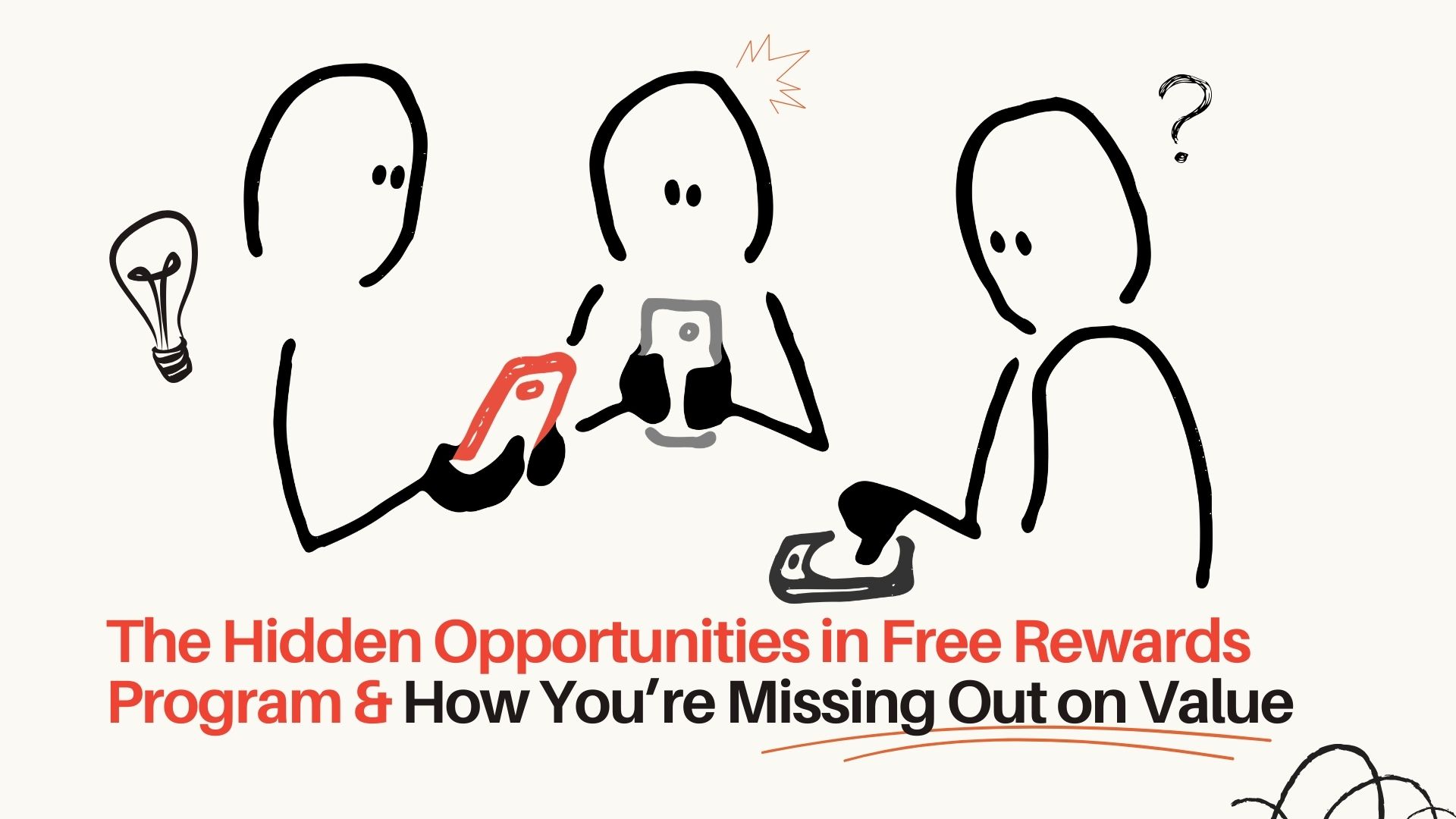
I’m guilty as charged. And it’s not just me, but many people are – without even realising it.
You sign up for that loyalty program at your favourite coffee shop, get excited about the free drink after ten purchases, and then… forget it exists. Or maybe you’ve scrolled past an email about reward points, thinking “I’ll check that later,” only to never think about it again.
Sounds relatable?
See, ignoring free rewards isn’t just about missing out on a free discount code. It’s about leaving real value on the table – value that could save you money, enhance your experiences, and even strengthen your relationship with the brands you already love.
And if you’re a business owner or marketer, understanding why people overlook these rewards is crucial to building programs that actually work.
Today, we’re diving into the biggest mistakes people make when they ignore free rewards. Trust me, by the end of this, you’ll be checking your inbox and app notifications with fresh eyes.
Mistake #1: Thinking “It’s Just a Few Dollars”
This is probably the most common mindset. You see an email about earning 100 points or getting 5% back on a purchase, and you think, “Eh, that’s not much.” So, you delete the email and move on with your day.

Mistake #2: Not understanding how rewards programs actually work
81% of consumers are members of at least one loyalty program, but only 49% actively use them. That’s a massive gap between enrolment and engagement.
Often it happens because people simply don’t understand how their rewards programs work. They sign up in a rush at checkout, get confused by the points system, and never bother to figure it out. They’re technically members but missing out on all the benefits.

Think about email marketing for a second. Did you know that 361.6 billion emails are sent and delivered every single day globally? And among those, 16.8% are newsletters and 15.3% are promotional campaigns.
Many of these emails contain reward, opportunities, exclusive offers, and points notification that subscribers simply ignore or delete without reading.
The average person belongs to 9.3 active loyalty program accounts, with up to 19 total memberships when you include inactive ones.
That’s a lot of potential value scattered across different programs, and most people aren’t maximizing even a fraction of it.
Mistake #3: Letting rewards expire because you “forgot to check”
This one hurts. You’ve been diligently earning points for months, and then one day you remember to check your account, only to discover that half your points expired last week.
Taking too long to earn rewards is the most common reason consumers dislike a loyalty program. Often people already have rewards ready to redeem – they just don’t realize it because they never check their email or app notifications.
Email marketing has an average ROI of $36 for every $1 spent, which is astronomical compared to other marketing channels. Businesses know this, which is why they’re constantly sending updates about your rewards balance, expiring options, and exclusive offers. But these messages are only valuable if you actually open them.
The numbers tell a compelling story. 99% of email users check their inbox at least once a day, and can go up to five times daily.
We’re not talking about people who never look at email. We’re talking about missing specific emails among the hundreds we receive, and those specific emails often contain valuable reward information.
Mistake #4: Assuming Free Rewards Are Scams

Scepticism is healthy, but excessive scepticism is not. Some people automatically assume that free rewards programs are scams or have many strings attached that they’re not worth the effort.
However, 90% of businesses have some form of loyalty program, and 64% of those members are willing to spend more money to maximize their points earnings.
These aren’t desperate companies trying to trick you, they’re established businesses using proven strategies to build customer relationships.
The global email marketing market was valued at $8.5 billion in 2021 and is expected to reach nearly $18 billion by 2027.
Companies are investing billions into communicating with their customers through email, and a significant portion of that communication involves rewards, loyalty programs, and special offers. This isn’t a side hustle – it’s core to how modern businesses operate.
Moreover, 93% of consumers are more likely to make repeat purchases at companies with excellent customer service, and loyalty programs are a key part of that service experience. When businesses offer rewards, they’re creating win-win scenarios where you save money and they build loyalty.
Mistake #5: Not providing accurate email information when signing up
Here’s a mistake that happens earlier in the process – providing incorrect or disposable email addresses when signing up for programs.
Maybe you were worried about spam, so you used a throwaway email. Or perhaps you made a typo and never noticed.

The email verification tools market tells an interesting story here. It’s currently valued at $124.95 million in 2024 and projected to reach $232.44 million by 2032, growing at a CAGR of 8.90%. Why? Because businesses lose massive value when they can’t reach customers who genuinely want to hear from them.
In fact, 70% of B2B job-related emails change within 12 months due to workforce turnover. On the customer side, invalid email addresses, outdated contacts and disposable emails create a disconnect between brands and customers – meaning rewards, offers, and valuable communications never reach their intended recipients.
Real-time email verification can cut invalid email addresses by 50%, and double opt-in reduces temporary emails by 75%.
But from your perspective as a consumer, using a legitimate email address you actually check is crucial if you want to receive the rewards you’ve earned.
Mistake #6: Overlooking the long-term value

Let’s zoom out for a moment. When we talk about “free rewards,” we’re really talking about long-term relationship building between you and the brand partners you frequent (i.e., us GetEmail.io).
Usually, a 5% increase in customer retention can increase profits by 25% to 95% (for business), but from your perspective, being a loyal customer means you get better treatment, better offers and overall value.
Brand-loyal customers are worth an average of 2.5 times more revenue than new customers, which is exactly why businesses roll out the red carpet for loyalty members.
It’s not just about adding “another customer” to the list, but missing the opportunity to leverage the unused value.
And when customer feel valued, they are likely to share a positive word of mouth and even increase their spending. Engaging with rewards programs benefit you, all while creating a positive cycle that can benefit your friends and family though recommendations, too.
Mistake #7: Thinking rewards programs are only for big spenders

People think, “I don’t shop enough for rewards to matter,” so they don’t bother engaging. This is a common misconception.
72% of shoppers will join a customer loyalty program before they’ve made their first purchase. Why? Because they recognize that even small, occasional purchases add up over time. You don’t need to be a power shopper to benefit from rewards.
In fact, the average U.S. consumer is enrolled in 7 – 8 loyalty programs with a 51% active participation rate with only one program.
If you’re thinking these are wealthy shoppers or frequent buyers, the answer no! They’re everyday people who recognize that value accumulates through regular engagement.
GenZ shoppers (aged 18 – 24) prefer loyalty programs and would stop shopping with brands if those programs were discontinued. It’s not just about spending more but getting rewarded for the spending you’re already doing.
The Bottom Line: Free Rewards Aren’t Really “Free” … They’re Earned Value!
When you ignore free rewards, you’re not just missing out on freebies. You’re overlooking value that you’ve already earned through your regular purchasing behaviour.
Most shoppers consider loyalty program offerings when they decide where to shop, and 75% of loyalty program members change their behaviour to boost business value (which means earning more rewards). The system is designed to be mutually beneficial – but only if you participate.
The email verification tools market is growing rapidly, specifically because businesses want to ensure their reward notifications, offers, and updates reach the right people.
They’re investing in making sure you get the value you’ve earned – but you need to meet them halfway by using valid email addresses, checking your inbox and engaging with the programs you’ve joined.
So, what should you do instead?
- Take inventory. Which loyalty programs are you actually enrolled in? which ones do you use? Go through your email and look for reward notifications you might have missed.
- Set up your preferences. Tell brands what you’re interested in, so you receive offers that actually matter to you. Personalization drives 41% higher revenue and 13.44% better click-through rates – those benefits extend to you in the form of more relevant offers.
- Use the tools available. Download apps, enable notifications, and set calendar reminders to check your rewards quarterly if you need to.
- Make sure your email address is current and accurate. The whole system breaks down if brands can’t reach you.
With 4.48 billion email users worldwide and over 370 billion emails sent daily, emails remain the primary channel or reward communications – but only if your address is correct.
Free rewards aren’t a scam, a trick, or a waste of time. They’re value that you’ve earned, siting in your account, waiting for you to claim it. The only question is: will you?
Are you ready to stop leaving money on the table? Your rewards are waiting – and so are the brands trying to reach you.